Buying
Buying a village house in the Hérault: what to check
Structure, roof, shared walls, parking, surveys and the real budget: what to look at before buying a village house around Béziers.
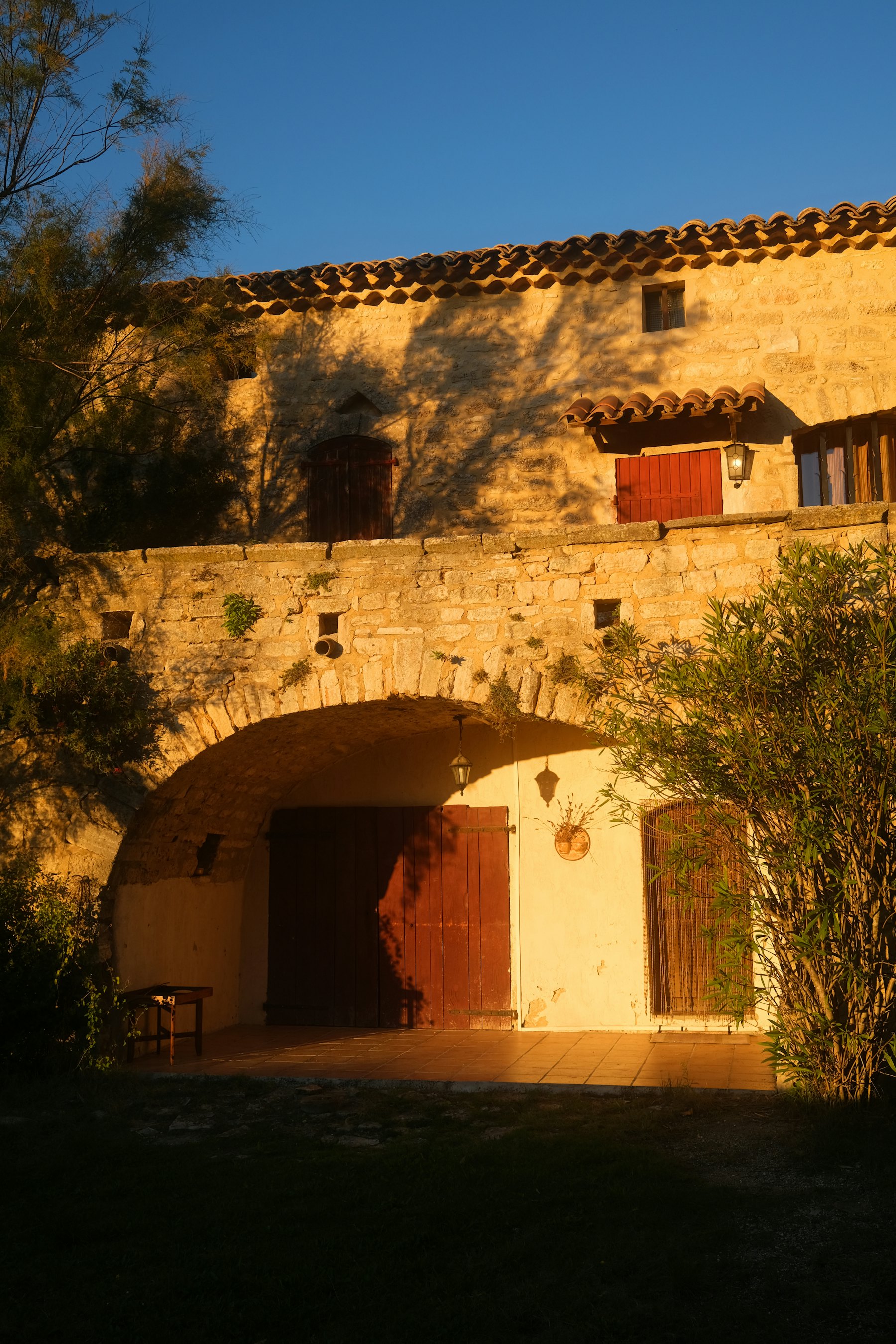
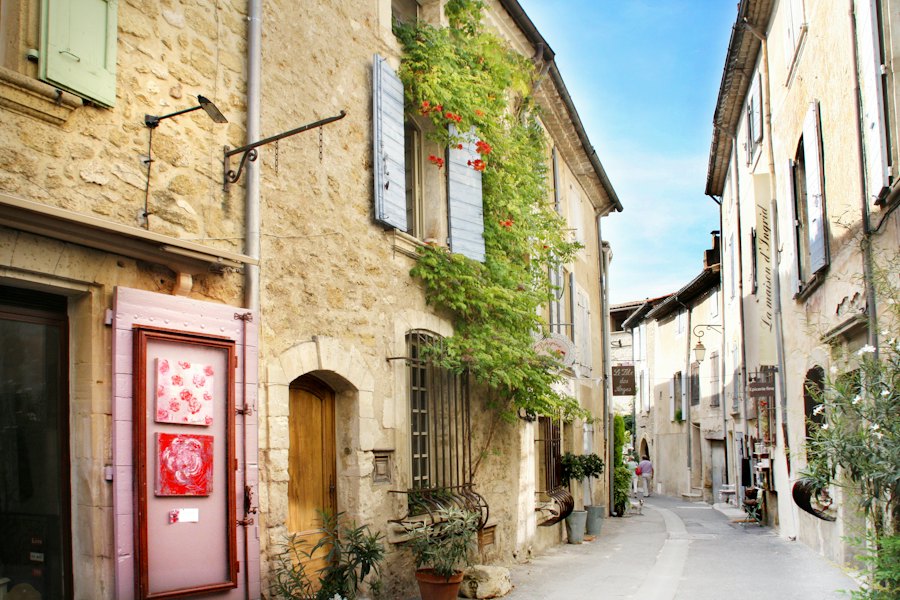
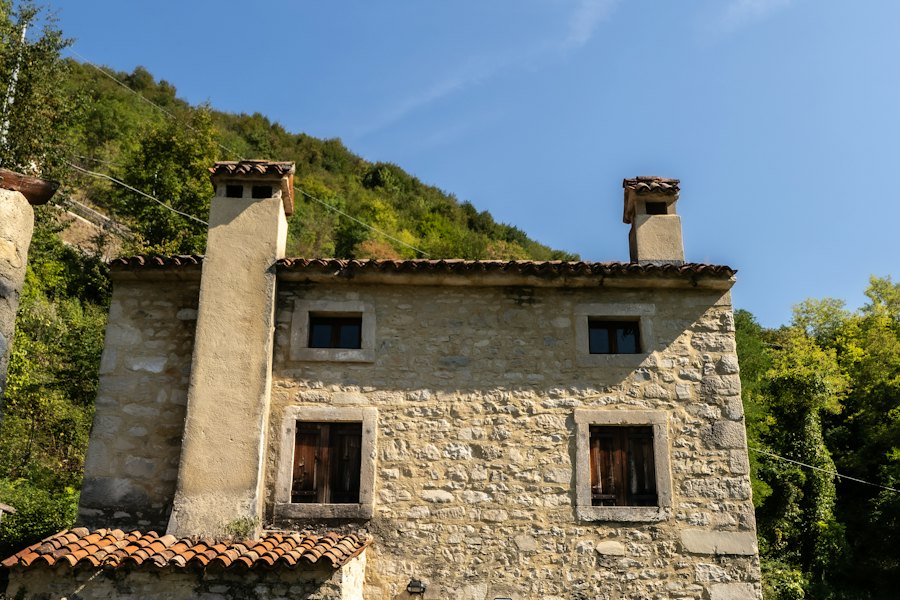
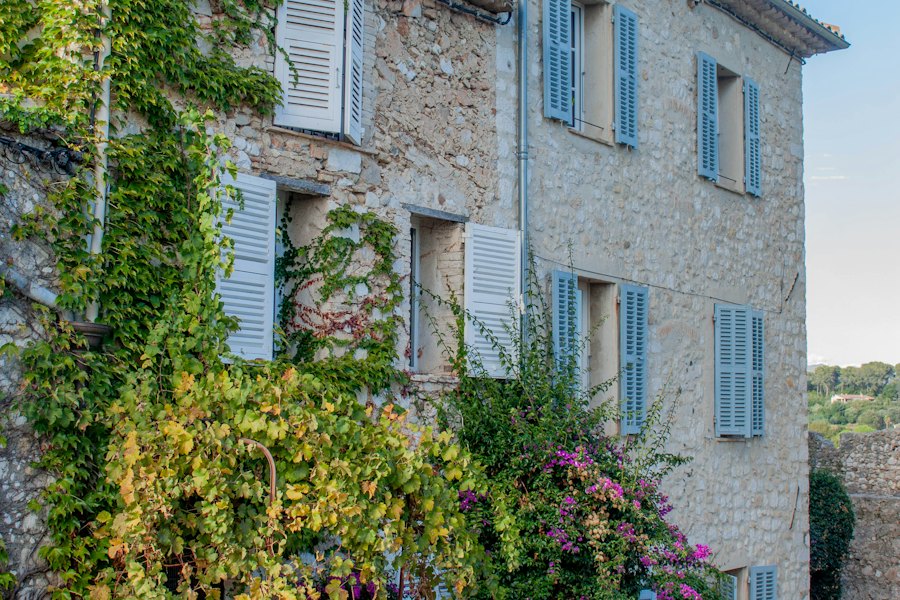
From the street, the village houses around Béziers look alike: stone or rendered walls, two or three storeys, a narrow front and often a terrace built into the roof. Yet two neighbouring houses can call for very different budgets. Here is what to look at before making an offer.
Structure and roof
Start with what costs the most to put right. Look for cracks in the front wall and the stairwell, check that floors are level and, where the loft is accessible, inspect the roof timbers. On the roof itself, slipped or broken clay tiles and tired gutters are worth noting.
Old stone walls cope badly with sealed renders: cement render can trap moisture, while lime render lets the wall breathe. Stains or salt deposits at the bottom of walls point to rising damp that will need treating.
Light, shared walls and neighbours
A narrow front lets in little light, so the aspect and a roof terrace make all the difference. Shared walls keep out both cold and heat, but can carry sound. Visit at different times of day and look at what faces the street.
Parking and access
In old village centres the streets are narrow and cars are often parked on a square or in a public car park. A garage or outbuilding is a real asset, for the car as much as for storage. Think about access for tradespeople if work is planned.
The surveys provided by the seller
The seller supplies a technical survey file, attached to the preliminary sale agreement. Depending on the house, it includes:
- the energy performance rating (DPE);
- an asbestos report if the building permit was granted before 1 July 1997;
- a lead report for homes built before 1949;
- electrical and gas reports for installations more than 15 years old;
- a termite report in areas defined by prefectoral order;
- a statement of natural and industrial risks;
- an inspection of private sanitation if the house is not connected to mains drainage.
The “loi Carrez” floor area only applies to units in a co-ownership building. For a detached house, rely on the stated living area and check it during the viewing.
The real budget
On top of the asking price come notary fees, generally 7 to 8% of the price for an existing home. Agency fees are shown on the listing, along with who pays them. Set aside a realistic amount for works and ask about the annual property tax.
From offer to completion
Once the price is agreed, a preliminary sale agreement is signed. A private buyer then has a ten-day cooling-off period. The agreement usually includes a condition that the buyer obtains a mortgage. The sale completes with the final deed at the notary’s office, typically two to three months later.
Found a house you like? Note its reference and contact the agency to arrange a viewing.