Market
110 m² of land in Saint-Chinian, 1,184 in Colombières: what the garden says about the village
The plot sold with a house varies tenfold between neighbouring communes of the Biterrois. What that reveals about when the village was built, and about what you are buying.
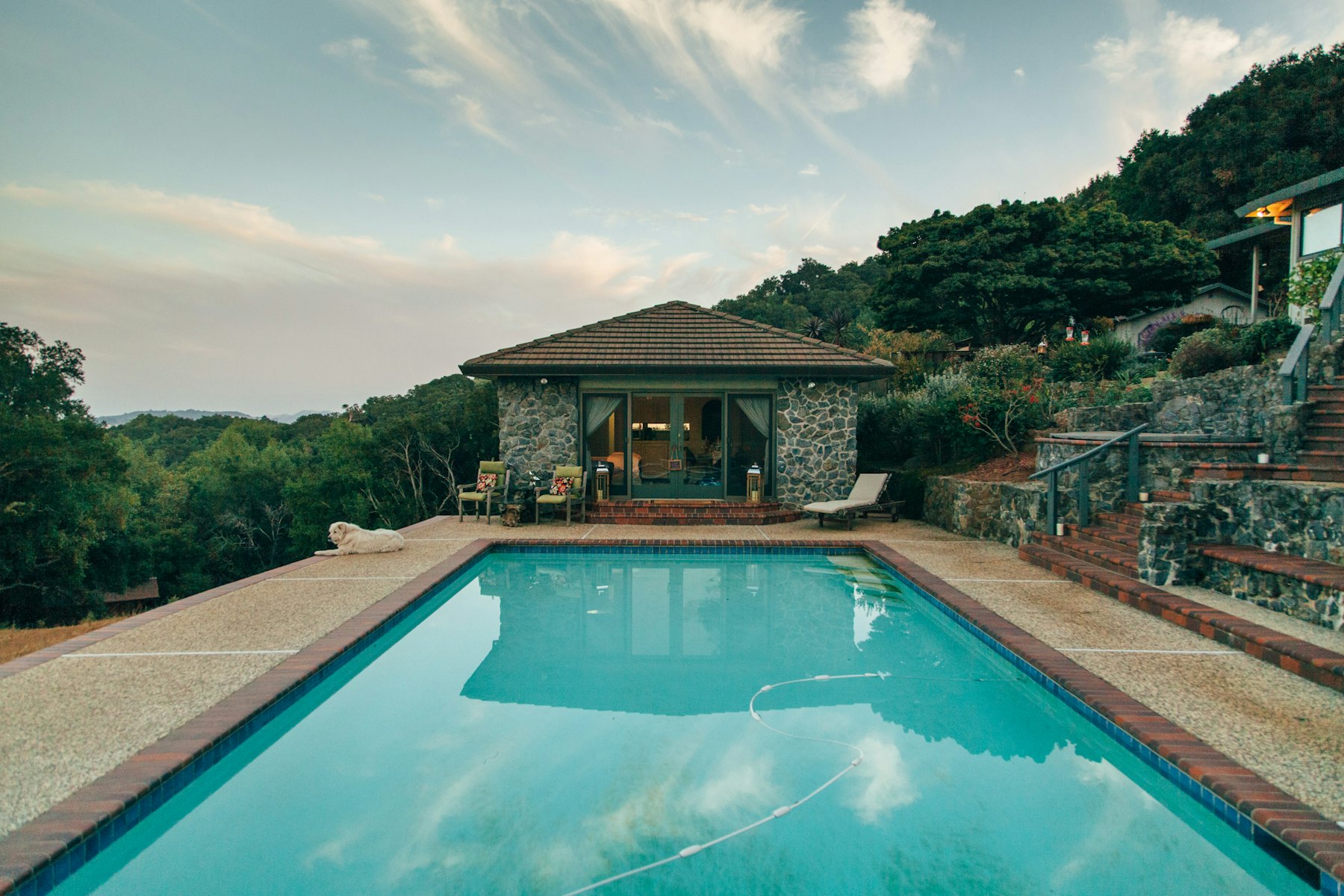
Buyers look at the price, then at the floor area, and forget the third column. Yet between two communes twenty minutes apart, the plot that comes with a house goes from 110 m² to 1,184 m². That is not a nuance: it is the difference between a courtyard and a garden.
The figures come from sales recorded between 2021 and 2025. They cover houses for which a plot is actually registered — many village houses have none, their footprint being the parcel.
The extremes
| Commune | Median plot | Median price per m² of living space |
|---|---|---|
| Saint-Chinian | 110 m² | 1,330 €/m² |
| Saint-Pons-de-Thomières | 129 m² | 768 €/m² |
| Quarante | 142 m² | 1,407 €/m² |
| Fleury-d’Aude | 148 m² | 3,350 €/m² |
| Lespignan | 150 m² | 1,764 €/m² |
| … | ||
| Argeliers | 503 m² | 1,816 €/m² |
| Lignan-sur-Orb | 513 m² | 2,391 €/m² |
| La Salvetat-sur-Agout | 598 m² | 1,258 €/m² |
| Lamalou-les-Bains | 840 m² | 2,015 €/m² |
| Colombières-sur-Orb | 1,184 m² | 1,514 €/m² |
What explains the gap: the village’s date of birth
The first temptation is to assume land is simply cheaper where property is cheaper. It is not, and the table shows it: Fleury-d’Aude, at 3,350 €/m², has plots as small as Saint-Pons-de-Thomières at 768 €/m². Two communes at opposite ends of the market, the same tightness.
What really separates them is when they were built.
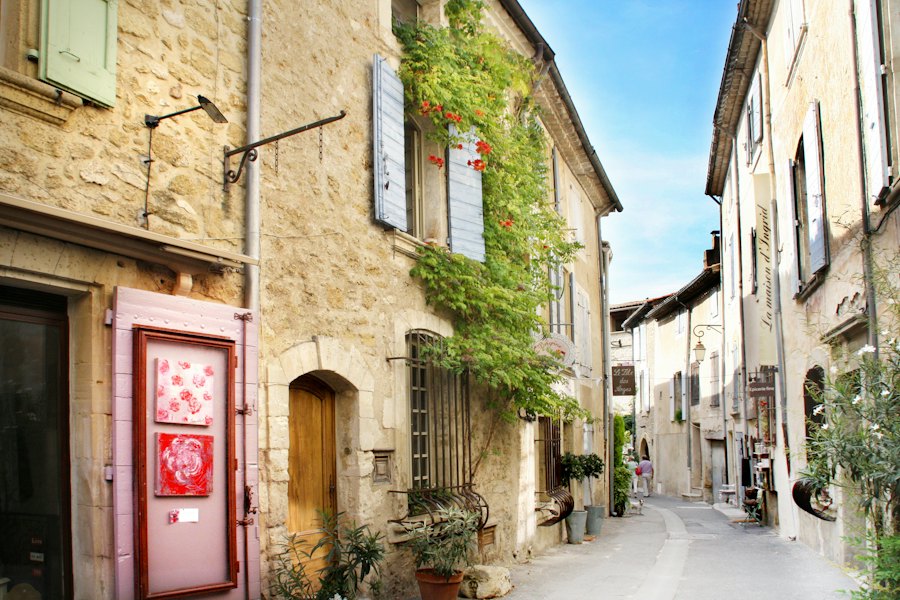
The medieval cores — Saint-Chinian, Saint-Pons, Quarante — grew in tight party-wall terraces, inside a defensive perimeter or along a single street. A house there comes with a yard of a few dozen metres, sometimes nothing at all. You are not buying a garden: you are buying a terrace, a patio, a courtyard, and parking that gets negotiated elsewhere.
The communes that grew by subdivision after 1970 — Lignan-sur-Orb, Colombiers (406 m²), Montady (406 m²), Maraussan (367 m²) — sell the standard French suburban plot: 350 to 550 m². They are also the dearest in the hinterland, because a recent estate stacks up a garage, a possible pool, single-storey living and no works to do.
The mountain communes — Colombières-sur-Orb, Lamalou-les-Bains, La Salvetat, Viane (667 m²) — give the most land for the least money, because up there land is worth almost nothing and the houses stand apart.
Our reading
A big plot is not a gift, it is a liability. A thousand square metres in the Hérault means summer watering, a hedge to cut, mandatory clearing in communes exposed to wildfire risk — and, if you are not there all year, somebody to pay for it. Before getting excited, count it in days of work and euros a year.
A 60 m² courtyard in an old village core can be worth more than a 600 m² garden on an estate, if it faces south, is walled and is invisible from the street. The market knows it: it is one reason the old cores along the Canal du Midi do not drop.
If you want land, change commune, not budget. Moving from Lespignan (150 m²) to Argeliers (503 m²) costs 52 € more per square metre of living space — about 5,000 € on a 100 m² house — and more than triples the plot. It is the best trade in the area, and it is invisible in any single listing; it only shows in the aggregate.
Limits
A median of plots says nothing about their shape, slope or buildability: 500 m² terraced on a flank of the Monts d’Orb is not used like 500 flat metres on the plain. DVF also records neither pools, nor outbuildings, nor rights of way, and a house sold with two separate parcels has its areas added together.
The commune-by-commune detail is on our price pages: each shows the median plot beside the price per metre.